Aluminum Foundry reference produced in a organized style
Wiki Article
Exploring the Vital Functions and Benefits of Steel Foundries
Steel factories offer a crucial function in the manufacturing landscape. They change basic materials right into accurate steel items for different sectors. This procedure includes specialized strategies that guarantee quality and performance. The financial ramifications are considerable, influencing regional communities and task markets. As innovation develops, so do the techniques within the industry. Understanding these dynamics exposes much concerning the future of production and its duty in sustainability. What lies in advance for metal factories?The Role of Metal Foundries in Production
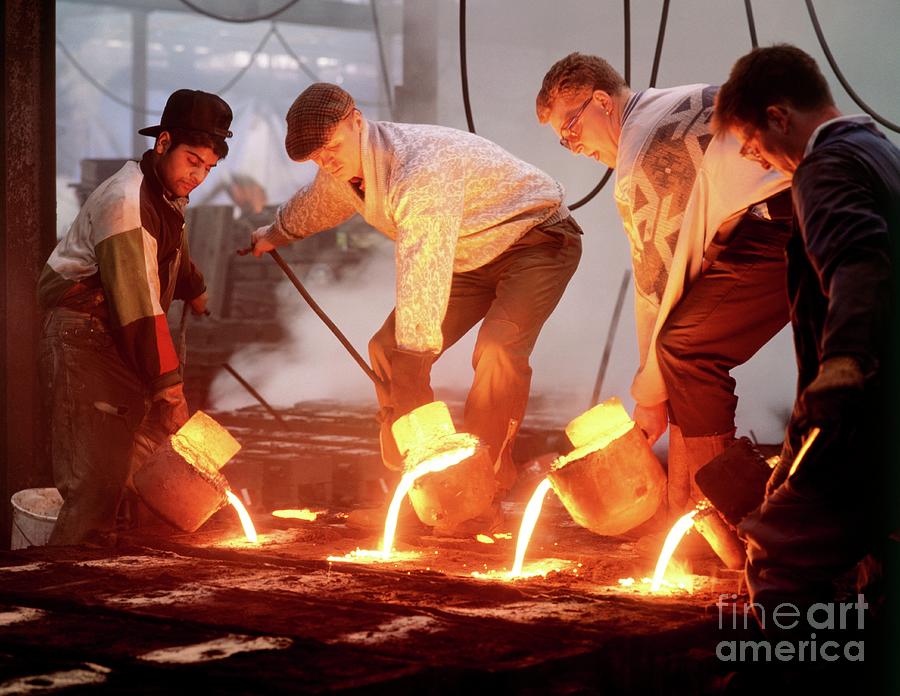
Metal shops play a vital duty in the production industry by transforming raw materials into functional steel items. These centers focus on melting and casting metals, utilizing a selection of strategies to create components that offer several industries, including automotive, aerospace, and building and construction. By converting raw steel ores, scrap metal, and alloys into exact forms and sizes, foundries enable manufacturers to create premium items customized to details applications.Metal shops contribute substantially to the economic situation by promoting and giving jobs advancement in metalworking modern technologies. They commonly purchase study and development to improve efficiency and sustainability, minimizing waste and energy consumption throughout manufacturing processes. The ability to create complex geometries not just meets layout demands however additionally improves total product performance. Essentially, steel foundries offer as a vital web link in the supply chain, making sure the availability of crucial steel elements for a myriad of applications in modern production.
Vital Procedures Associated With Metal Casting
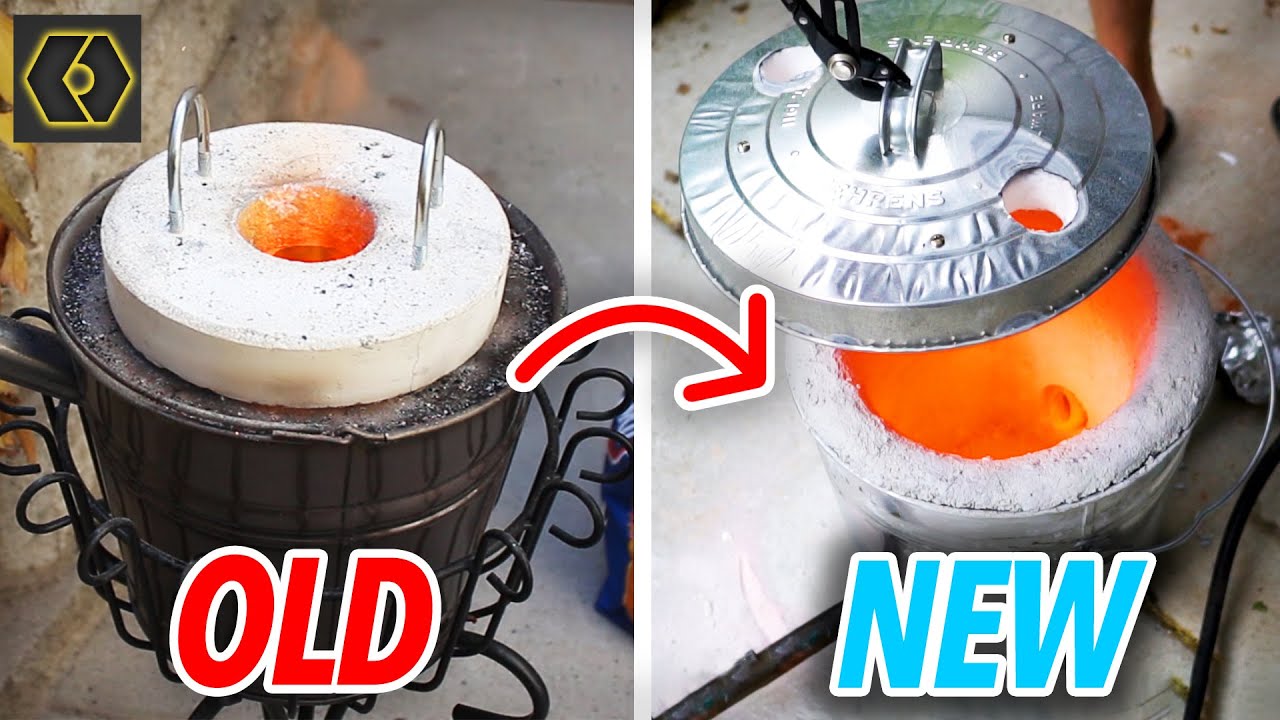
In the procedure of transforming basic materials into ended up items, steel spreading incorporates several essential treatments that protect the manufacturing of high-quality elements. The procedure begins with the prep work of liquified metal, which often includes melting raw products in a heating system. When the metal reaches the desired temperature, it is poured right into a mold shaped to create the end product.Air conditioning complies with, where the molten metal strengthens within the mold, handling its brand-new form. After enough air conditioning, the mold and mildew is removed, disclosing the actors element. This is frequently followed by completing processes, consisting of machining, to attain exact dimensions and surface area high quality. Furthermore, evaluations are carried out to determine that the castings meet specified requirements and tolerances. These essential procedures highlight the detailed nature of metal spreading, highlighting the critical function that each action plays in producing trusted and durable steel items.
Kinds Of Metals Commonly Used in Factories
While numerous steels can be utilized in factories, numerous attract attention as a result of their special residential or commercial properties and suitability for particular applications. Iron, specifically in the form of cast iron, is renowned for its toughness, longevity, and exceptional spreading qualities, making it suitable for equipment and vehicle parts. Light weight aluminum is preferred for its light-weight nature and resistance to rust, commonly used in aerospace and transport markets. Copper alloys, such as bronze and brass, are selected for their remarkable conductivity and aesthetic appeal, generally located in electric parts and decorative items. Steel, specifically carbon steel, is valued for its sturdiness and adaptability, widely utilized in building and construction and production. Magnesium is appreciated for its low thickness and high strength-to-weight proportion, making it a favored option in applications calling for lightweight materials. Each of these metals uses unique benefits that accommodate the varied needs of various markets.Top Quality Control Procedures in Metal Shops
Quality assurance procedures in steel factories are crucial for ensuring product stability and conformity with sector standards (Metal Foundry). Numerous evaluation methods are used to examine the residential or commercial properties of actors steels, while adherence to developed qualifications and standards reinforces quality control. This organized technique not only boosts functional efficiency but additionally constructs customer rely on the end productsAssessment Techniques Summary
Effective inspection techniques are crucial for keeping high standards in metal factories, as they ensure that each item fulfills specified tolerances and efficiency requirements. Various approaches are utilized to evaluate the quality of castings, consisting of visual evaluations, dimensional checks, and non-destructive screening (NDT) Aesthetic evaluations permit operators to determine surface issues such as incorporations or splits, while dimensional checks confirm that elements adapt make specifications. NDT methods, such as ultrasonic and radiographic screening, give deeper insights into inner defects without harming the item. Furthermore, automated inspection systems are progressively used to improve precision and efficiency. With each other, these evaluation strategies play a substantial function in securing product dependability and customer complete satisfaction within the affordable landscape of steel factories.Specifications and Certifications
In the domain of metal factories, adherence to developed accreditations and requirements acts as a cornerstone for quality assurance steps. These requirements, such as ISO 9001 and ASTM, supply frameworks that ensure consistent product quality and dependability. Qualification procedures entail strenuous analyses, consisting of audits and assessments, verifying that shops fulfill certain efficiency requirements. Conformity with these requirements not just enhances item stability yet additionally promotes customer trust and complete satisfaction. Furthermore, certification can open up new markets, as lots of sectors require conformity for procurement. By implementing these quality additional info assurance measures, steel factories can lessen issues, maximize manufacturing processes, and maintain an one-upmanship in the market. On the whole, requirements and certifications play a pivotal function in ensuring the success and sustainability of metal shops.Innovations and Technologies in Shop Workflow
As the need for precision and efficiency in metal spreading remains to expand, factories are progressively embracing technologies and technologies that enhance their operations. Automation plays an essential duty, with robot systems improving procedures such as mold handling and casting. This not just decreases labor prices however additionally lessens human error, resulting in boosted item top quality.In addition, innovations in computer-aided layout (CAD) and simulation software enable shops to optimize layouts prior to manufacturing, permitting faster turnaround times. Including 3D printing modern technology for developing molds and cores even more speeds up manufacturing and enables complicated geometries that traditional techniques can not accomplish.
Furthermore, the integration of data analytics and the Internet of Things (IoT) gives real-time tracking of tools and procedures, boosting anticipating maintenance and operational performance. These developments collectively add to an extra responsive, active, and competitive factory setting, placing them well to fulfill evolving market needs.
Economic Impact of Metal Foundries on Local Communities
The developments in modern technology within steel foundries not only boost production capacities but additionally significantly affect regional economic situations. Steel foundries function as a significant resource of work, providing jobs for skilled employees and adding to the financial security of their regions (Metal Casting). These facilities typically stimulate local companies, as they call for an array of products and solutions, from resources to transport and logistics. The presence of a metal factory can additionally bring in associated industries, cultivating a network of distributors and sustaining services that flourish in closeness to making hubsAdditionally, shops contribute to the tax obligation base, generating earnings for city governments that can be utilized for civil services and infrastructure enhancements. The economic surge effect reaches area advancement, as shops usually take part in neighborhood initiatives and support labor force training programs. In general, steel foundries play an important role in strengthening the economic landscape of their neighborhoods, making sure growth and sustainability.
Sustainability Practices in the Metal Foundry Sector
The steel foundry industry is progressively taking on sustainability practices to lower its ecological footprint. Trick strategies include reusing steel scrap, implementing energy performance steps, and making use of eco-friendly spreading processes. These campaigns not only add to resource conservation however likewise enhance the market's general sustainability profile.Recycling Steel Scrap
Reusing metal scrap stands as a cornerstone of sustainability practices within the steel factory industry. This process not just conserves natural deposits however also greatly decreases land fill waste. By reclaiming scrap steel, shops can lower the demand for virgin products, decreasing ecological influence and power intake connected with mining and removal. Moreover, the recycling of metal scrap fosters a round economic situation, where products are recycled and repurposed, developing a much more sustainable production cycle. Factories commonly implement innovative sorting and handling technologies to boost reusing performance, making certain top quality output. As the sector significantly focuses on environment-friendly practices, the recycling of metal scrap continues to be an important part, advertising both economic viability and ecological stewardship for future generations.Power Performance Actions
Sustainability in the steel foundry industry extends beyond reusing practices to include energy effectiveness measures. Shops are significantly embracing technologies that reduce energy usage throughout metal manufacturing and spreading. Carrying out sophisticated melting techniques, such as induction melting, permits for even more precise temperature level control and decreased power waste. Additionally, maximizing heating system procedures via warm recovery systems captures and recycles excess warmth, significantly lowering general power needs. The integration of energy-efficient lights and automation likewise enhances functional efficiency. By purchasing these power effectiveness actions, foundries not only reduce their carbon footprint however additionally recognize price financial savings, adding to a more lasting and economically viable sector. Embracing such techniques is essential for resolving and satisfying regulatory requirements growing ecological worries.Eco-Friendly Casting Processes
While traditional casting approaches have actually served the steel shop sector for decades, environmentally friendly casting processes are now acquiring prestige as an essential part of sustainable manufacturing. These ingenious strategies prioritize the reduction of waste, energy consumption, and damaging exhausts. Numerous foundries are adopting recyclable products and water-based coatings, lessening ecological effect. Furthermore, improvements in 3D printing modern technology assist in a lot more efficient designs, lowering the demand for considerable product use. Closed-loop systems are likewise being applied, allowing for the recycling of steels and other byproducts. By embracing these green practices, metal foundries not just enhance their operational efficiency yet likewise add to the international initiative toward sustainability, aligning with enhancing customer demand for eco liable weblink items.Often Asked Questions
What Safety And Security Steps Are Carried Out in Steel Shops?
Precaution in steel factories consist of Learn More personal safety equipment, proper ventilation systems, routine safety training, threat communication, emergency action protocols, and regular tools upkeep to decrease dangers related to high temperatures and unsafe materials.Exactly How Do Shops Manage Hazardous Materials?
What Are Typical Occupation Opportunities in Metal Foundries?
Usual profession possibilities in steel foundries consist of duties such as factory service technician, melting driver, quality assurance inspector, upkeep designer, and manufacturing supervisor, each adding to the reliable procedure and result of metal spreading processes.
Exactly How Do Shops Manage Waste and Recycling?
Foundries handle waste and recycling with methodical processes, consisting of the collection of scrap steel, recycling products, and carrying out eco-friendly methods (Aluminum Foundry). These methods assist lessen environmental effect while advertising resource effectiveness within the sectorWhat Are the Ecological Rules for Metal Foundries?
Metal shops play a crucial role in the production sector by changing raw materials right into usable metal items. Quality control steps in steel shops are vital for guaranteeing item integrity and conformity with sector requirements. By applying these high quality control steps, steel foundries can decrease issues, maximize production procedures, and keep a competitive side in the sector. Recycling steel scrap stands as a keystone of sustainability practices within the steel shop sector. While conventional casting techniques have actually offered the metal shop market for decades, environmentally friendly spreading procedures are now getting prestige as a necessary part of lasting manufacturing.
Report this wiki page